How Often Should You Get Your Hair Cut?
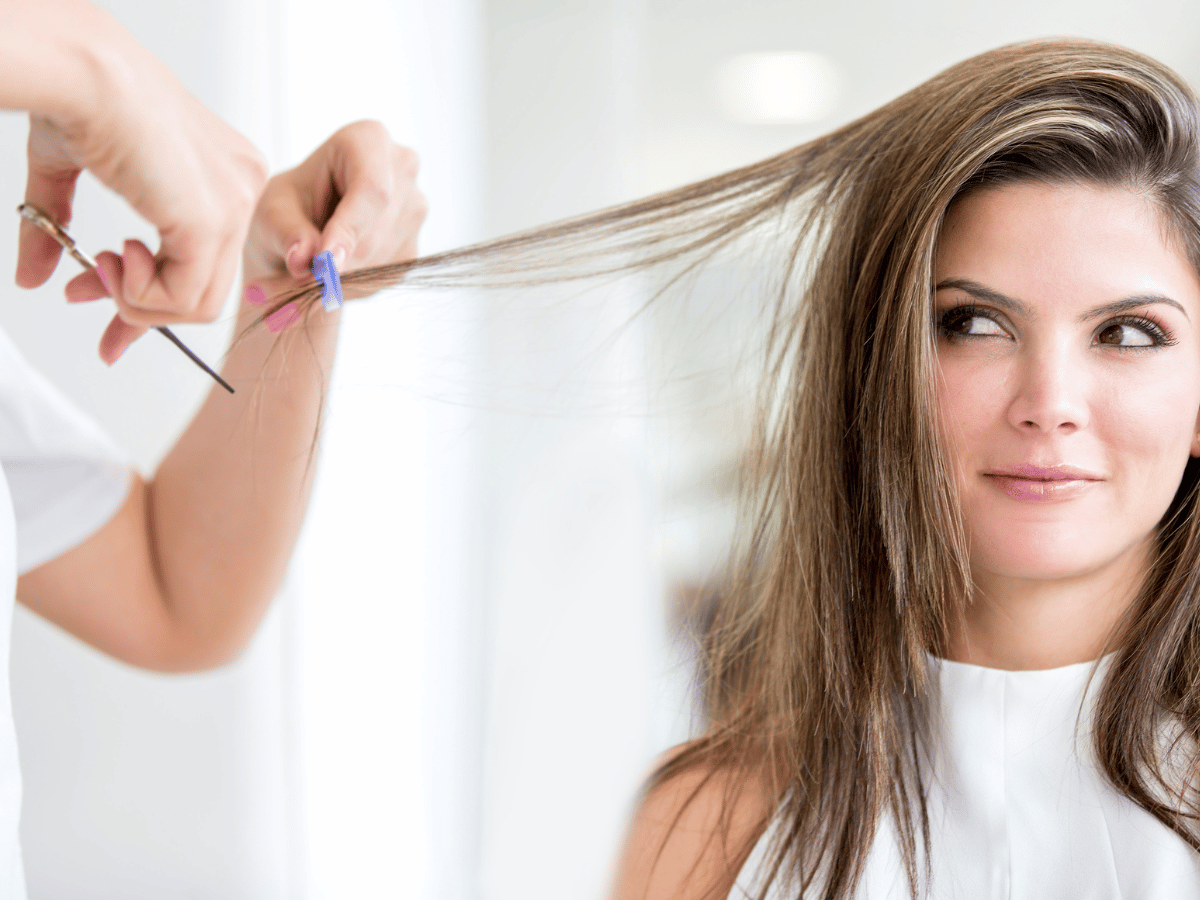
Tired of bad hair days? Let’s get to the root of the problem—your haircut schedule. A well-timed trim can be the difference between a good hair day and a great one. A great haircut isn’t just about looking sharp—it’s about keeping your hair healthy and preventing breakage. The right trim schedule depends on your hair type, length, and color, but the goal is simple: effortless, healthy hair. Here's a guide to help you figure out when to book your next trim, so you can keep your hair looking great with minimal fuss all year long. Let's dive in!
Short Hair
Short styles like pixie cuts and cropped bobs can lose their shape pretty quickly as hair grows out around the ears and neckline. To keep these cuts looking sharp, you’ll want to trim them more often.
Trim Frequency: Every 4-6 weeks.
Why: Short hair can start looking less defined with just a bit of growth, so regular trims help keep the shape intact. Even half an inch of growth can make a noticeable difference.
Pro Tip: Trims don’t always have to be major—just a quick clean-up around the neckline and ends will keep everything looking fresh without losing too much length.
Medium-Length Hair
Shoulder-length and collarbone cuts are super versatile and easier to manage than shorter styles, but they still need a trim now and then. Mid-length hair can look thinner and less healthy by split ends, so regular cuts help keep it looking fresh and full.
How often? Every 6-8 weeks.
Why? Trims help keep your shape intact, get rid of split ends, and make sure any layers you have stay looking smooth and intentional.
Pro Tip: Mix in salon treatments with your trims to keep your ends hydrated and prevent breakage.
Long Hair

Long hair requires a balance between preserving length and preventing split ends from moving up the shaft. Since damage is more noticeable at the ends, regular trims keep it looking healthy and strong.
Trim Frequency: Every 8-12 weeks.
Why: It might feel like your long hair isn't growing as fast as your shorter styles, but that's just an illusion! Longer hair is more prone to split ends, which can make it look thinner and less healthy. Regular trims not only prevent those pesky split ends but also help your hair grow to its full potential.
Pro Tip: If you’re aiming for extra length, let your stylist know. A “dusting” technique removes only the very ends, minimizing length loss while keeping hair healthy.
Curly and Textured Hair
Curly, coily, and wavy hair needs special care because its natural texture can make it more prone to dryness. Curly hair types also grow out differently than straight hair, with new growth often appearing slower due to the curl pattern.
Trim Frequency: Every 8-12 weeks.
Why: Curly hair tends to be drier and more fragile, so regular trims keep the curl pattern defined and prevent frizz. Since curls can mask split ends, it’s best to schedule trims on a consistent basis.
Pro Tip: Curly hair often does better with a dry cut. By cutting it in its natural state, your stylist can shape each curl to follow its natural pattern, making your style last longer and look more defined.
Color-Treated Hair
Hair that’s been lightened, highlighted, or colored generally needs a bit more care, as the chemical process can dry it out and make it more susceptible to breakage. Regular trims help maintain the health of color-treated ends, especially if they’re feeling dry or brittle.
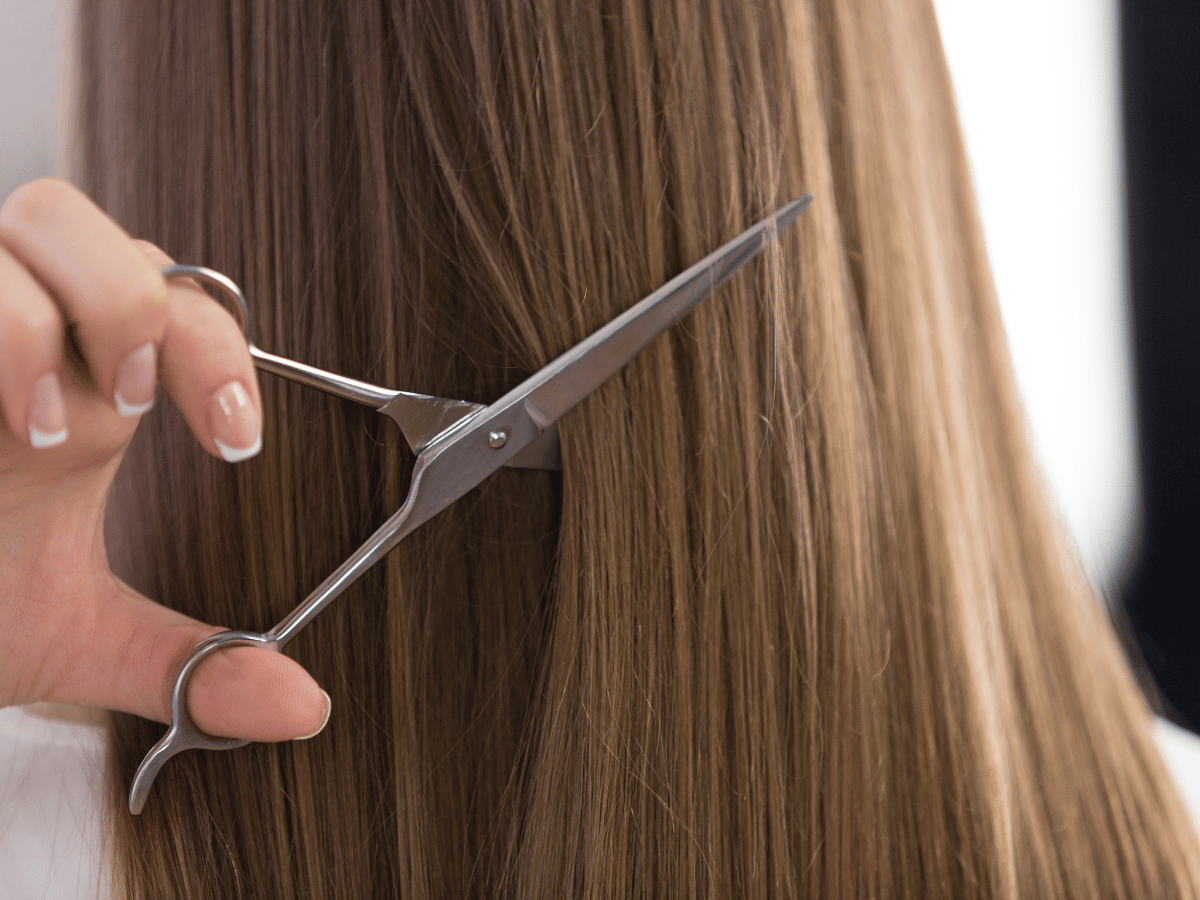
Trim Frequency: Every 4-8 weeks, depending on how lightened or processed your hair is.
Why: Here’s a more conversational revision:
Color-treated hair can get dry and damaged, especially at the ends. Regular trims help keep those ends healthy, preventing breakage and making your color look fresher and more vibrant.
Pro Tip: Invest in a color-safe conditioner and moisturizing treatments to prolong the vibrancy of your color and prevent dryness. A regular trim paired with in-salon treatments can work wonders for the health and longevity of color-treated hair.
Fine or Fragile Hair
Fine hair can show damage more easily than thicker textures, so regular trims help maintain its health and volume. Fragile hair is also more prone to split ends and breakage, so a consistent trim schedule is key.
Trim Frequency: Every 6-8 weeks.
Why: Frequent trims prevent split ends from making hair appear thin or uneven. With regular trims, fine hair can stay looking fuller and healthier.
Pro Tip: Avoid heavy styling products and high heat on fine hair. Using a leave-in conditioner and a heat protectant can help reduce breakage between trims.
Coarse, Thick Hair

With its texture and volume, coarse, thick hair can feel heavy and unruly without the right trim. Regular cuts help keep it from looking too bulky, while also reducing frizz and split ends. For those with coarse hair, trims help maintain shape and prevent the hair from becoming unmanageable.
Trim Frequency: Every 6-8 weeks.
Why: Regular trims help keep the hair from getting too weighed down and keep the bulk in check, making it easier to style. Trimming also ensures the hair remains smooth and healthy.
Pro Tip: If your hair is excessively thick, discuss thinning techniques with your stylist to reduce bulk without compromising length.
Growing Out Your Hair
If you’re trying to grow out your hair, it may be tempting to skip trims entirely, but a balanced schedule can actually help your hair grow out healthier and stronger.
Trim Frequency: Every 10-12 weeks.
Why: Light trims every couple of months help prevent split ends, keeping hair healthy and preventing breakage, which can actually help hair grow longer over time.
Pro Tip: Try deep conditioning treatments or a protein mask every couple of weeks to strengthen hair and retain length between trims.

Tips for Keeping Hair Healthy Between Trims
Here are some additional tips to help your hair stay healthy and chic between salon visits:
Moisturize Regularly: Use a hydrating conditioner or leave-in treatment, especially if your hair is prone to dryness or is color-treated.
Limit Heat Styling: Embrace your natural texture when possible and minimize heat tools to avoid breakage.
Protect from the Elements: Sun exposure, cold weather, and wind can weaken hair, so use a leave-in conditioner with UV protection and consider a hat or scarf on harsh weather days.
Consider a Bonding Treatment: For extra strength and shine, consider a professional bonding treatment to repair damaged hair and prevent future breakage.
Avoid Over-Washing: Shampooing too often can strip your hair of its natural oils, which are essential for healthy ends. Try washing every other day, or less if your hair type allows.
Regular Scalp Massages: Massaging your scalp can stimulate blood flow, promoting hair growth and overall scalp health.
Use a 100% Silk Pillowcase or Bonnet: Sleeping on a silk pillowcase and bonnet can reduce friction and prevent hair breakage.
Gentle Hair Care: Use a wide-tooth comb to detangle wet hair to minimize breakage. Avoid brushing your hair when it's wet, as it's more fragile.
Healthy Diet: A balanced diet rich in protein, vitamins, and minerals can contribute to healthy hair growth.
Manage Stress: Stress can negatively impact hair health. Incorporate stress-relief techniques like yoga, meditation, or deep breathing into your routine.
A Low-Maintenance Path to Healthy Hair
Finding the right haircut schedule for your hair type, length, and color is about more than just looks—it’s key to keeping your hair healthy and low-maintenance. Regular trims help you avoid big changes down the road, keep your style fresh, and let you enjoy your best hair with minimal effort. By following a simple trim routine, you’ll give your hair the chance to grow stronger, stay vibrant, and look effortlessly chic all year long.
Ready to ditch the bad hair days? Book your next hair cut today and let's keep your hair looking its best!