The Hidden Damage of Tying Up Wet Hair
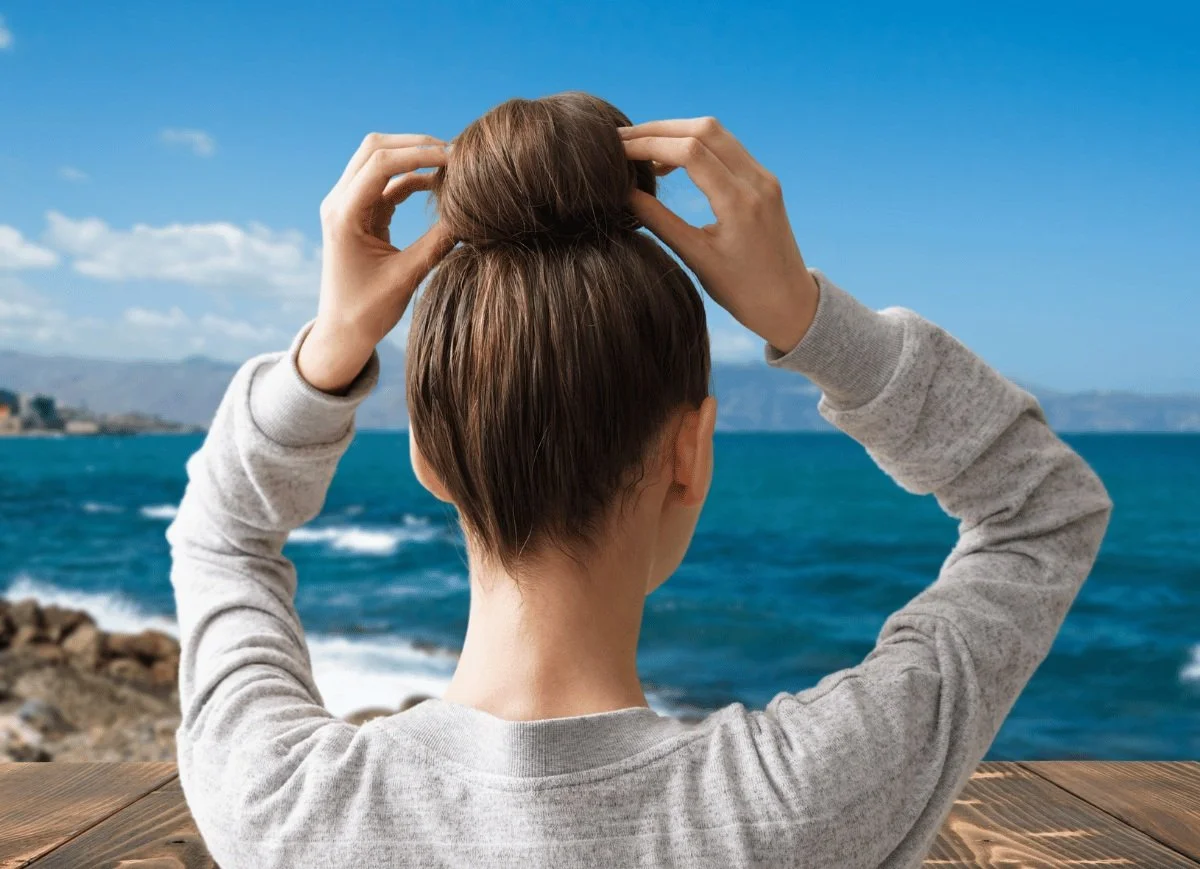
We've all been there: a busy morning, a quick shower, and then rushing out the door with our hair still damp, quickly tied up in a bun or ponytail. It’s a convenient solution to tame those wet locks and save time, but did you know this seemingly harmless habit can cause significant damage to your hair? Let’s dive into the science behind why wearing your hair up when wet might not be the best idea.
The Structure of Wet Hair
To understand why wet hair is vulnerable, it’s essential to grasp the basic structure of hair. Each strand of hair is made up of three layers: the cuticle (outer layer), the cortex (middle layer), and the medulla (inner layer). The cuticle consists of overlapping cells that protect the inner layers. When your hair is wet, these cells lift slightly, making the hair more elastic but also more fragile and prone to breakage.
Increased Elasticity and Weakness
Wet hair is about 30% more elastic than dry hair. While this might sound like a good thing, it actually makes your hair more susceptible to stretching and breaking. When you pull wet hair into a tight ponytail or bun, it stretches beyond its natural elasticity. Over time, this stretching can cause strands to weaken and break, leading to split ends and a frizzy, unhealthy appearance.
Tension and Traction Alopecia
Pulling your hair back tightly, especially when it’s wet, increases tension on the hair shaft and the roots. This tension can lead to a type of hair loss known as traction alopecia. Traction alopecia occurs when hair is pulled so tightly that it damages the hair follicles, sometimes permanently. Symptoms include small bumps on the scalp, redness, and thinning hair along the hairline or where the hair is pulled the most.
Moisture Retention and Mildew
Another often overlooked issue is that keeping your hair tied up while wet can create a moist environment where mold and mildew can thrive. Hair that doesn’t dry properly can start to smell musty and become a breeding ground for bacteria. This can lead to scalp issues such as itchiness, dandruff, and even fungal infections.
Hair Elastic Damage
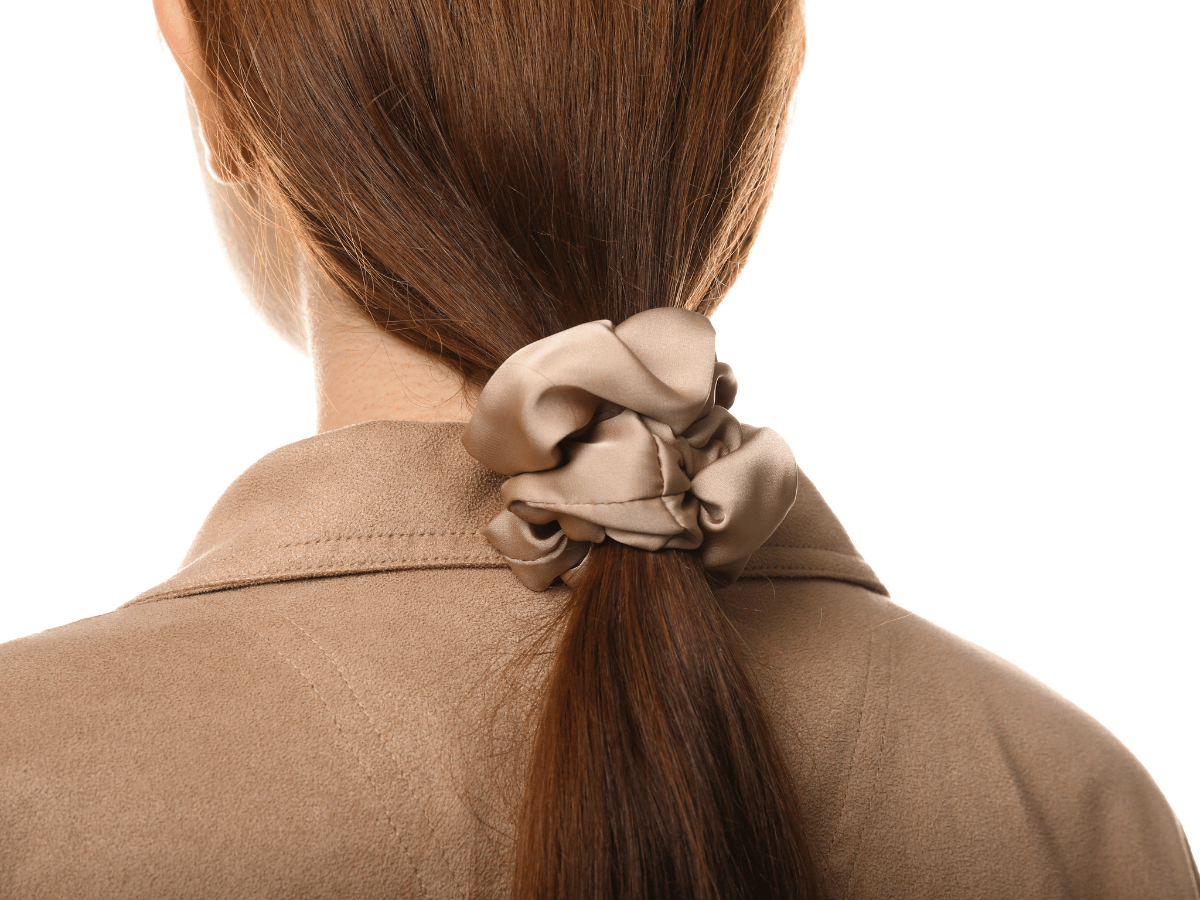
Hair ties and elastics, particularly the ones with metal parts or rough textures, can dig into your damp, fragile hair, causing breakage. When your hair is wet, it’s more susceptible to the pressure and friction caused by hair ties. Even if you use a soft scrunchie, the pressure from being pulled tight can still cause damage.
Tips to Protect Your Hair
Make sure hair is dry before styling up: Whenever possible, let your hair dry naturally or use a blow dryer before tying it up. If you’re in a rush, consider gently patting your hair with a microfiber towel or an old T-shirt, which is less abrasive than regular towels.
Use a Leave-In Conditioner: Apply a leave-in conditioner or a detangling spray to wet hair. This can help protect the hair shaft and make it easier to manage without pulling or tugging.
Opt for Loose Styles: If you must tie your hair up while it’s wet, opt for looser styles like a loose braid or a low ponytail. Avoid tight buns or ponytails that pull on the roots.
Choose Gentle Hair Ties: Use hair ties that are designed to be gentle on your hair, such as spiral hair ties, scrunchies, or ones made from smooth, fabric-covered elastic.
While it might be tempting to throw your wet hair into a quick updo, consider the potential long-term damage you might be causing. Taking a few extra minutes to dry your hair or opting for gentler styles can make a significant difference in the health and appearance of your locks. Your hair will thank you for it!
By being mindful of how you handle your wet hair, you can prevent unnecessary damage and keep your tresses looking their best. A little extra care today can lead to healthier, more beautiful hair tomorrow.